In this five-part series, Lakefront Historian contributors respond to the critically acclaimed blockbuster Lincoln, directed by Steven Spielberg and starring Daniel Day Lewis.
Spielberg’s Lincoln
The opening shots were so promising. A pan of Civil War carnage preceded any mention of Abraham Lincoln. African American soldiers stood before The Great Emancipator and called him to task on the problem of wage inequality. Then Lincoln subdued them with a charming anecdote, thus setting the tone of the rest of the film. In the subsequent two and half hours, a thoroughly endearing Abe ambled through a world of rhetorical and ethical dilemmas, mesmerizing everyone with his storytelling and lawyering skills. Indeed, Spielberg’s Lincoln succeeded as a comedic drama of white politicians debating slavery while effectively silencing other nineteenth century voices.
As a glorification of a popular historical figure, Spielberg’s Lincoln thankfully added depth and complexity to the often two-dimensional hero. Early on Lincoln delivered a particularly inspired monologue on the Emancipation Proclamation in which he probed the legal and ethical ambiguities of the wartime measure. When positioned in opposition to the delightfully radical Thaddeus Stevens, we saw Lincoln as a pragmatic compromiser rather than a true bastion of civil rights. Between Daniel Day Lewis’s superb acting chops and Spielberg’s engrossing filmography, Lincoln presented a rather engaging portrait of the sixteenth president.
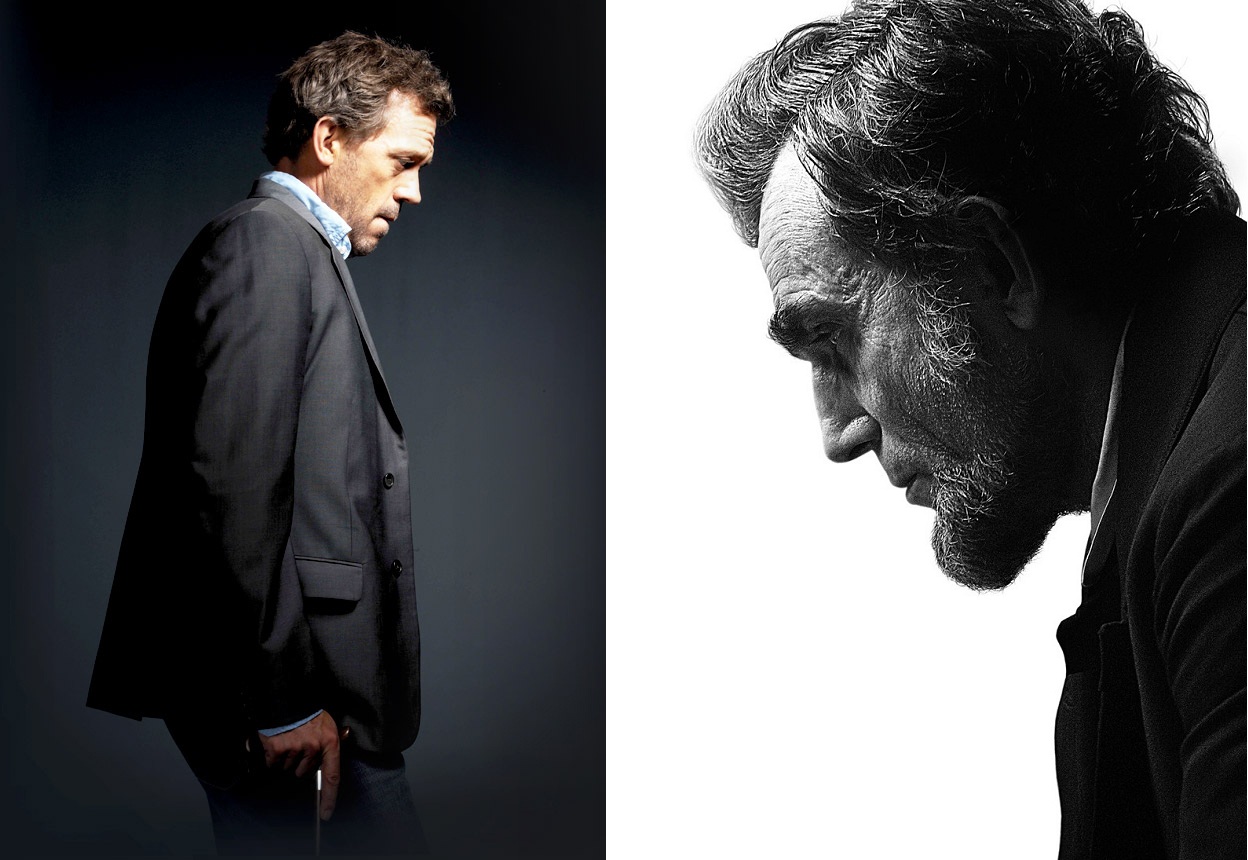
Yet for a movie focusing on Lincoln’s position on slavery at the end of the Civil War, African American voices were conspicuously absent. The film spent seemingly eternal screen time indulging Lincoln in his mumbling storytelling safaris. At the outset of one of Lincoln’s longwinded tales, Secretary of War Stanton threw up his hands and exited, exclaiming that he didn’t have time for another story. I nearly did the same. As one of many who can’t identify with the old white guy in power, I grew tired of ramblings that only held relevance in the white political sphere. However troubled or eccentric Lincoln appeared, Spielberg nevertheless portrayed him as the image of white masculine genius. Lincoln essentially received the House treatment.
The troublesome reality, however, is that slavery was more than a tricky political issue for Lincoln to navigate. It was also a very real and powerful institution with pervasive consequences for thousands of people. In the midst of one of Lincoln’s self aggrandizing speeches, Spielberg could have shown a scene of slavery or even another battle scene. Better yet, he could have incorporated examples in which free and enslaved African Americans worked to end slavery while Lincoln waxed on about moral compasses. Lincoln needed to emphasize the isolation of Abe from the realities of slavery as an institution and the active role African Americans took in their own emancipation.
Instead, Spielberg provided a few token black characters. The resident African Americans and White House laborers, Mrs. Keckley and Slade, received very little dialogue. In fact, Slade had a near-silent servant role straight out of a 1950s movie. Keckley, on the other hand, played an important role as an observer in the House of Representatives. The camera frequently focused on her emotional reaction in case the audience needed a gauge on how black people might have felt about the goings-on. I nearly spit out my popcorn when Lincoln blatantly asked her how “her people” felt about the amendment. Lincoln painfully reprised the role of the well-meaning but painfully ignorant teacher calling out the one black student in class to explain some universal African American experience.
The absurdity of Lincoln reached a climax during the House of Representatives vote on abolishing slavery. The political farce featured insulated white male politicians with appropriately entertaining facial hair hurling comedic insults at one another. The irreverent tone in the midst of a critical vote was not highlighted as irony; it was self contained as comedy. The theater audience heartily chuckled as Democrats struggled to vote in favor of the amendment. It was hilarious watching these cowardly representatives bare the wrath of their fellow racists as they cashed in a vote in return for cushy government jobs. The interjecting shots of various groups following the vote revealed more white faces following the political drama. We didn’t even get emotion shots of the black people in the gallery brought in to guilt the representatives. The representation of the vote on the thirteenth amendment confirms Lincoln as a dramatized celebration of white masculinity.
Lincoln had a valuable opportunity to tell a compelling and provocative story to a gigantic audience. It took me three attempts to find a showing that wasn’t sold out. Despite a nuanced narrative and aesthetically pleasing imagery, Lincoln ultimately served as a glorification of Great White Man history. The film could have assumed the pragmatic position of Lincoln by creating a rail splitting moment that drew in Lincoln enthusiasts and introduced non-white and non-male voices in order to show the implications and limits of Lincoln’s positionality. But Lincoln failed to do even that. Therefore, the Thaddeus Stevens within me demands a movie that employs a token Lincoln to highlight the complicated stories of free and enslaved African Americans for whom the question of slavery and the Civil War meant more than a political game.


 The Lakefront Historian
Leave a reply to Lamashtar Cancel reply